Omgaan met betekenis psychologie
In de online training Veerkracht: sterker bij tegenslag van Psychologie Academy ontdek je niet alleen wat je copingstijl zegt over hoe goed je om kunt gaan met tegenslagen, maar ook hoe je steviger in je schoenen kunt komen te staan. Zo creëer je een persoonlijke toolkit om veerkrachtiger in het leven te staan. Je schakelt de computer uit en schuift knus met je vriend op de bank om films te kijken. Die afleiding doet je goed; je stress neemt af. Best kans dat je daardoor aan het eind van de avond al heel anders over de ruzie denkt. Omgaan met betekenis psychologie Psychologen noemen de manier waarop je geneigd bent om om te gaan met stressvolle omstandigheden en tegenslagen, je ‘copingstijl’. Coping is afgeleid van het Engelse begrip ’to cope with’ wat letterlijk betekent ‘kunnen omgaan met of opgewassen zijn tegen’.

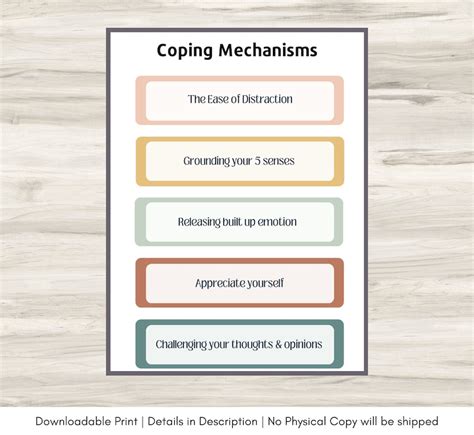


Coping mechanismen
Coping mechanisms are behaviors that help you decrease stress and manage unpleasant emotions. These behaviors can be positive (adaptive) or negative (maladaptive). Problem-focused coping aims to eliminate or change the source of your stress, while emotion-focused coping helps you change the way you react to your stressors. Coping is defined as the thoughts and behaviors mobilized to manage internal and external stressful situations.[1] It is a term used distinctively for conscious and voluntary mobilization of acts, different from 'defense mechanisms' that are subconscious or unconscious adaptive responses, both of which aim to reduce or tolerate stress.[2].Coping mechanismen Unhealthy coping is a mechanism used to prevent stress; however, the results are deleterious to the individual. The following coping mechanisms have been deemed ineffective and may exacerbate mental health problems. They may also be referred to as ineffective or maladaptive strategies. 1. Unhealthy emotion-focused coping.